Clinical Sciences/Health Conditions
In Sung Choi, MD, PhD
Professor
Chonnam National University Hospital
Gwangju, Kwangju-jikhalsi, Republic of Korea
Min-Keun Song, MD, PhD
Professor
Chonnam National University Hospital
Gwangju, Kwangju-jikhalsi, Republic of Korea
Min Kyun Sohn, MD, PhD
Professor
The Korean Stroke Cohort for Functioning and Rehabilitation Research Group
Seoul, Seoul-t'ukpyolsi, Republic of Korea
Jongmin Lee, MD, PhD
Professor
The Korean Stroke Cohort for Functioning and Rehabilitation Research Group
Seoul, Seoul-t'ukpyolsi, Republic of Korea
Deog Young Kim, MD, PhD
Professor
The Korean Stroke Cohort for Functioning and Rehabilitation Research Group
Seoul, Seoul-t'ukpyolsi, Republic of Korea
Young-Il Shin, MD, PhD
Professor
The Korean Stroke Cohort for Functioning and Rehabilitation Research Group
Seoul, Seoul-t'ukpyolsi, Republic of Korea
Gyung-Jae Oh, MD
Professor
The Korean Stroke Cohort for Functioning and Rehabilitation Research Group
Seoul, Seoul-t'ukpyolsi, Republic of Korea
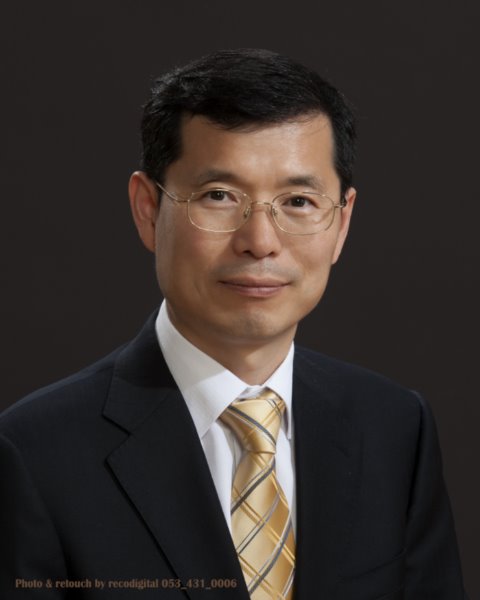
Yang-Soo Lee, MD, PhD
Professor
The Korean Stroke Cohort for Functioning and Rehabilitation Research Group
Seoul, Seoul-t'ukpyolsi, Republic of Korea
Min Cheol Joo, MD, PhD
Professor
The Korean Stroke Cohort for Functioning and Rehabilitation Research Group
Seoul, Seoul-t'ukpyolsi, Republic of Korea
So Young Lee, MD
Professor
The Korean Stroke Cohort for Functioning and Rehabilitation Research Group
Seoul, Seoul-t'ukpyolsi, Republic of Korea
Junhee Han, PhD
Professor
The Korean Stroke Cohort for Functioning and Rehabilitation Research Group
Seoul, Seoul-t'ukpyolsi, Republic of Korea
Jeonghoon Ahn, PhD
Professor
The Korean Stroke Cohort for Functioning and Rehabilitation Research Group
Seoul, Seoul-t'ukpyolsi, Republic of Korea
Young-hoon Lee, MD
Professor
The Korean Stroke Cohort for Functioning and Rehabilitation Research Group
Seoul, Seoul-t'ukpyolsi, Republic of Korea
Won Hyuk Chang, MD, PhD
Professor
The Korean Stroke Cohort for Functioning and Rehabilitation Research Group
Seoul, Seoul-t'ukpyolsi, Republic of Korea
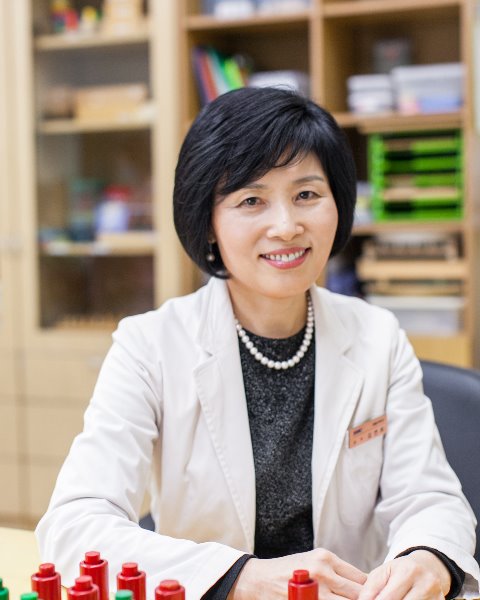
Yun-Hee Kim, MD, PhD
Professor
The Korean Stroke Cohort for Functioning and Rehabilitation Research Group
Seoul, Seoul-t'ukpyolsi, Republic of Korea
Patient characteristics and prognosis have been proposed to be different between anterior circulation stroke (ACS) and posterior circulation stroke (PCS). However, there is no large-scale cohort study on prognostic factors according to stroke territories in Korea. Therefore, we aimed to analyze prognostic factors that influence functional recovery at 12 months as well as long-term functional outcome in ischemic stroke patients by stroke territories.
Design:
This study is an interim analysis of the Korean Stroke Cohort for Functioning and Rehabilitation (KOSCO), which is a 10-year longitudinal, multi-center, prospective cohort study of acute first-ever stroke patients. Total of 10,636 Korean, aged 19 years old or more, with first-ever stroke were recruited. And 5,685 patients who completed the Korean version of the Modified Barthel Index (K-MBI) evaluation at discharge were included for cross-sectional analysis. They were classified into ACS and PCS according to stroke territories. Among 5,685 patients, 3,735 patients completed K-MBI evaluation at 12 months from stroke onset and 2,973 patients finished K-MBI evaluation for 6 years.
Results:
ACS patients were older and there were more female and alcohol drinkers. ACS showed higher prevalence of risk factors, higher initial NIHSS scores, and lower K-MBI scores at discharge. Predictors of functional outcome at 12 months in ACS were age, sex, diabetes mellitus, complications, premorbid functional status, and initial NIHSS score. In PCS, age, complications, premorbid functional status, and initial NIHSS score were identified. There were changes in K-MBI scores with time in both ACS and PCS, however, the difference of change was not significant.
Conclusion: ACS and PCS patients differed in their baseline characteristics and prognostic factors at 12 months after stroke. The difference of changes in long-term functional outcome was not significant according to stroke territories.