
Health Policy and Systems
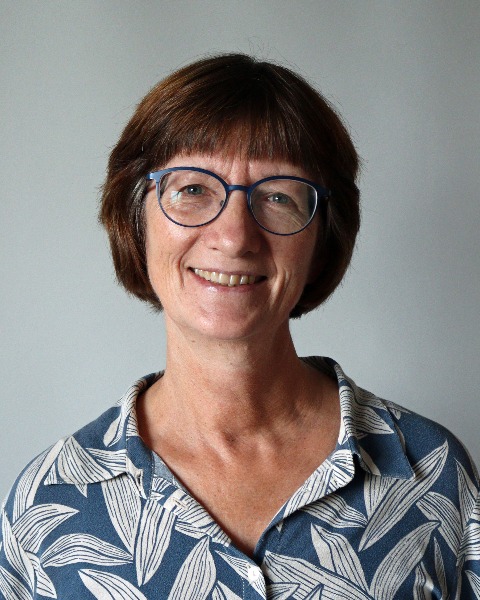
Trine Bathen, MSc (she/her/hers)
Occupational Therapist
Norwegian Centre for Rare Diseases
Bjørnemyr, Akershus, Norway
Anne-Mette Bredahl, PhD
Clinical Psychologist
Norwegian Centre for Rare Diseases, Sunnaas Unit
Bjørnemyr, Akershus, Norway
Harald Engan, PhD
Head of Research, Development and Innovation
Unicare Rehabilitation
Oslo, Oslo, Norway
Natascha Hansen, MS
Physiotherapist
Unicare Jeløy
Moss, Ostfold, Norway
.jpg "Ariane Kwiet, MD (she/her/hers) photo")
Ariane Kwiet, MD (she/her/hers)
Specialist in physical medicine and rehabilitation
Norwegian Resource Centre for Rare Diseases, Sunnaas Hospital
Bjørnemyr, Akershus, Norway
Rare bone diseases are complex, often inherited disorders. Common consequences like skeletal deformity, early osteoarthritis, increased cancer and fracture risk, pain and fatigue may give need for rehabilitation. Understanding patients perceived need for rehabilitation services, and how they experience received services is essential for patient-centred care, quality improvement, and effective resource planning. The aim of this study was therefore to investigate rehabilitation needs and experiences in this patient group.
Design:
A digital survey was designed in collaboration with patient representatives from four patient organisations. Invitation to participate was distributed to adults (≥ 18 years of age) with rare bone diseases, via websites, social media, and postal letter.
Results:
Respondents were 111 adults (18 to 70 years, 75% women), with 26 different rare bone diseases. They reported many health problems/ consequences, with a median of 11 health problems simultaneously (range 1-28). Participants also reported need for a wide range of rehabilitation measures, many of which were not met. The largest gap between experienced rehabilitation needs and offered services was for counselling on benefits and patient rights (64 vs 12%), and physical training (83 vs 52%). Many did not receive appropriate rehabilitation services. Main challenges were lack of information, poor coordination of services and that healthcare professionals often did not have or seek knowledge about the rare diagnosis.
Conclusion:
This study has provided knowledge on the complex health problems adults with rare bone diseases have and highlighted their unmet need for rehabilitation services. Some challenges may be common also for other rehabilitation patients. However, people with rare diseases face added challenges because of the rarity of their disease. This knowledge can be important when planning better services for this group but has also transfer value to other groups of rare diseases.
