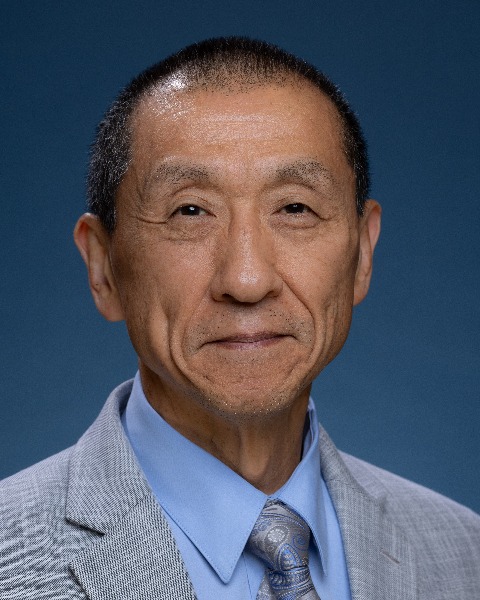
Chief Academic Officer/Senior Associate Dean MetroHealth Medical Center/Case Western Reserve University Case Western University School of Medicine
Neuroplasticity serves as the core biological foundation for functional recovery following neurological injuries. While non-invasive brain stimulation (NIBS) has shown significant potential over the past two decades, its clinical translation has been hindered by high inter-individual variability and inconsistent trial outcomes. This session provides a comprehensive review of advanced neuromodulation strategies, shifting the focus from standardized protocols toward a precision neurorehabilitation paradigm. The presentation will detail recent technological leaps in repetitive transcranial magnetic stimulation (rTMS) and transcranial direct/alternating current stimulation (tDCS/tACS), alongside innovative approaches like temporal interference stimulation. We will explore how "deep phenotyping"—utilizing neuroimaging, electroencephalography (EEG), and connectivity mapping—allows clinicians to stratify patients and tailor stimulation parameters to individual neural architectures. Furthermore, the session will discuss the implementation of closed-loop neuromodulation and brain state-dependent stimulation to capture real-time windows of plasticity. Finally, a conceptual framework will be proposed to address the critical clinical questions of "for whom, where, when, and how" advanced neuromodulation should be applied to maximize functional outcomes.
Session Objectives:
1. Distinguish between various non-invasive brain stimulation (NIBS) techniques, including rTMS, tDCS, tACS, and emerging temporal interference stimulation, based on their underlying neurobiological mechanisms. Assess the clinical utility of brain state-dependent and closed-loop stimulation systems in delivering personalized interventions for stroke recovery.
2. Critique the limitations of traditional "one-size-fits-all" neuromodulation protocols by analyzing the inconsistent results of recent large-scale randomized controlled trials.
3. Plan individualized neuromodulation strategies by integrating multimodal biomarkers—such as neuroimaging, EEG, and corticospinal tract integrity—to target optimal windows of neuroplasticity.