Functioning and Disability
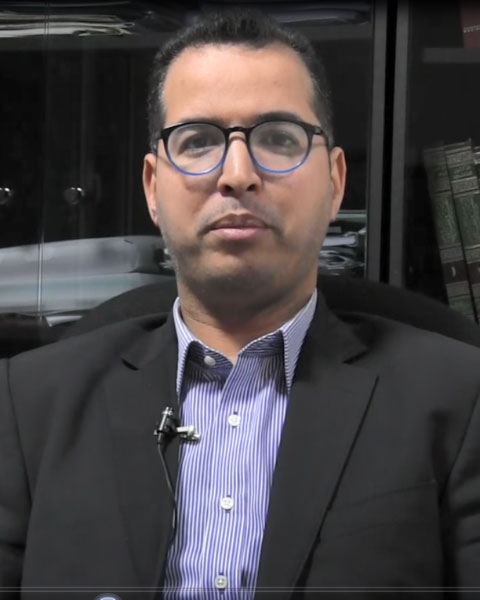
Abderrazak Hajjioui, PhD
Full Prof
Faculty of Medicine and Pharmacy, Abdelmalek Essaâdi University
tangier, Tanger-Tetouan, Morocco
A scoping qualitative synthesis was conducted through:
Review of global and regional evidence on meningitis outcomes and disability surveillance systems;
Analysis of WHO and partner monitoring tools, including the Roadmap pillars on care and support;
Examination of rehabilitation-related indicators integrated into existing health information systems;
Identification of gaps and opportunities to incorporate functioning and participation metrics into national and global meningitis surveillance.
Findings were synthesized to propose an enhanced surveillance framework aligned with the International Classification of Functioning, Disability and Health (ICF).
Results:
Most current meningitis surveillance systems focus on incidence, etiology, and mortality, with minimal reporting on long-term disability. Major gaps identified include:
• absence of standardized assessment tools for neurodevelopmental, cognitive, sensory, and motor sequelae;
• limited integration of functioning indicators within health information systems;
• weak referral pathways linking acute care to rehabilitation and community services;
• insufficient monitoring of participation, school/work reintegration, and caregiver burden.
Key opportunities include adopting ICF-based functioning indicators, integrating disability screening at discharge and during follow-up, and linking surveillance data with rehabilitation planning and service delivery.
Conclusion: Strengthening meningitis sequelae surveillance is essential for achieving the Defeating Meningitis by 2030 goals. Incorporating functioning and participation measures into national and global monitoring systems would enable earlier identification of rehabilitation needs, improve continuity of care, and enhance long-term outcomes for survivors. A rehabilitation-oriented surveillance framework is fundamental for shifting global meningitis strategies beyond survival toward inclusion, participation, and quality of life.