
Functioning and Disability
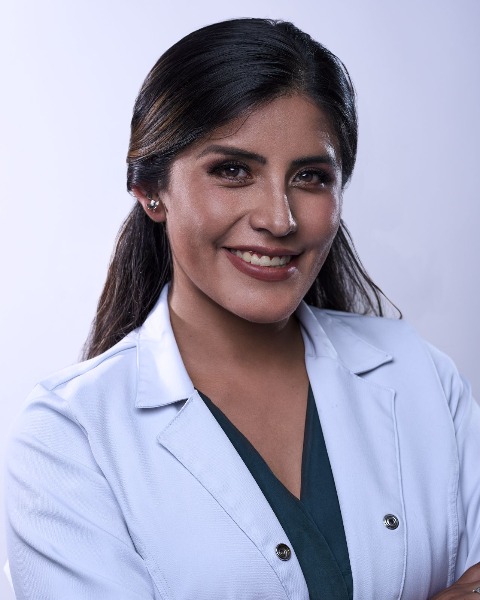
Luz Guadalupe Cruz Huanca, MD (she/her/hers)
Resident Physician in Physical and Rehabilitation Medicine
UNIVERSIDAD NACIONAL MAYOR DE SAN MARCOS
ASOCIACION NACIONAL PARALIMPICA PERU (ANP)
INSTITUTO NACIONAL DE REHABILITACION DRA ADRIANA REBAZA FLORES AMISTAD PERU-JAPON (INR)
Lima, Lima, Peru
Luis Alberto Astocaza Miranda, MD
Assistant Physician in Physical and Rehabilitation Medicine
ASOCIACION NACIONAL PARALIMPICA PERU (ANP)/ INSTITUTO NACIONAL DE REHABILITACION PERU (INR)INR
LIMA, Lima, Peru
Ana Isabel Cruz Huanca, MD
Resident Physician in Physical and Rehabilitation Medicine
ASOCIACION NACIONAL PARALIMPICA PERU (ANP)/ HOSPITAL SANTA ROSA
LIMA, Lima, Peru
Rosa Angelica Licetti Villena, MD
Assistant Physician in Physical and Rehabilitation Medicine
ASOCIACION NACIONAL PARALIMPICA PERU (ANP) INSTITUTO NACIONAL DE REHABILITACION PERU (INR)INR
LIMA, Lima, Peru
Observational, retrospective census study including all youth para-athletes (12–18 years) evaluated during the official national functional and medical assessment process led by physiatrists. Inclusion criteria were complete WHOQOL-BREF and sociodemographic records and physical or visual disability. Correlations were interpreted using effect sizes and confidence intervals due to population size. Ethical procedures followed national regulations for anonymized secondary data.
Results:
Thirty-nine athletes were included (physical disability n=26; visual disability n=13). Mean WHOQOL-BREF scores were: Physical 3.18±0.28; Psychological 3.36±0.16; Social 3.44±0.16; Environment 3.05±0.36; Global QoL 3.76±0.43; Satisfaction with Health 3.61±0.50.
No statistically significant differences were expected in this census design; however, meaningful patterns emerged. Visual disability showed slightly higher global QoL. Para-swimming, para-athletics, and para-archery demonstrated higher global and environmental scores, while blind football showed the highest social scores. Years of practice correlated positively with satisfaction with health (r=0.32). Age correlated negatively with environment (r=–0.63). Global QoL correlated strongly with satisfaction with health (r=0.56).
Conclusion: Youth para-athletes in Peru show moderate-to-high QoL, with psychological and social domains as strengths. The environment domain scored lowest, reflecting structural limitations. This study provides the first national baseline for youth para-sport rehabilitation and reinforces the leadership of physiatrists in functional evaluation, classification, and evidence generation. Results support adaptive sports as a therapeutic component of youth rehabilitation and a foundation for future research.
