Functioning and Disability
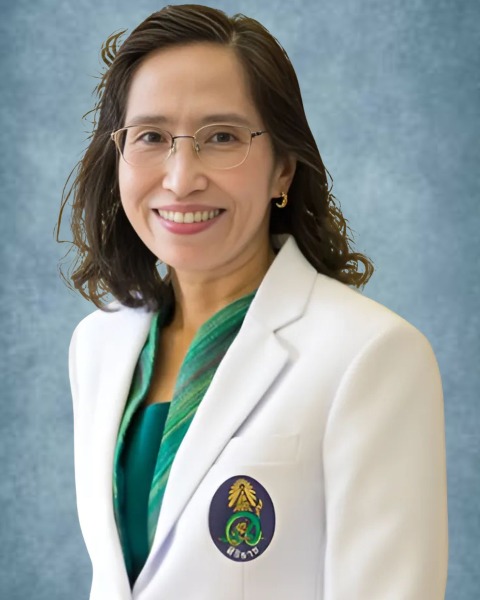
Piyapat Dajpratham, MD, FRCphysiatrT (she/her/hers)
Associate Professor
Faculty of Medicine Siriraj Hospital, Mahidol University
Bangkoknoi, Krung Thep, Thailand
Rungnapha Taechakitkosol, MS
head of inpatient rehabilitation ward
Faculty of Medicine Siriraj Hospital, Mahidol University
Bangkoknoi, Krung Thep, Thailand
Kanjana Rawainok, MS
Registered nurse
Faculty of Medicine Siriraj Hospital, Mahidol University
Bangkoknoi, Krung Thep, Thailand
Stroke is a primary cause of long-term disability worldwide. This study prospectively evaluated longitudinal changes in functional status and health-related quality of life (HRQoL) in stroke survivors over a one-year period.
Design:
This prospective cohort study followed 150 first-ever stroke patients (mean age 63.07 years; 71.3% ischemic) recruited from inpatient rehabilitation. Participants were assessed at baseline, 6 months, and 12 months using the Barthel Index (BI), Modified Rankin Scale (mRS), Functional Ambulation Category (FAC), and Stroke Impact Scale 3.0 (SIS). Data were analyzed using repeated measures ANOVA and Pearson Chi-Square tests.
Results:
Results: All functional and HRQoL measures showed significant improvement over 12 months (p < 0.001). The total SIS score increased from 58.45 (SD 15.81) at baseline to 74.71 (SD 14.52) at one year. Large effect sizes (ηp2) were observed across all SIS domains, with the highest gains in Strength (ηp2= 0.777), Participation (ηp2= 0.727), and Activity (ηp2= 0.677). Normalized gain scores indicated medium gains (0.33–0.45) across all SIS domains. Community participation significantly improved; for example, shopping outings increased from 15.4% to 63.5% (p < 0.001). By 12 months, the proportion of patients with good functional outcomes (mRS 0–2) rose from 29.3% to 71.3%, and independent ambulation (FAC > 3) increased from 26.0% to 54.0%. Patients with better functional outcomes consistently reported significantly higher SIS scores at all time points (p < 0.001).
Conclusion:
Conclusion: Stroke survivors experience continuous, substantial recovery in physical function and community reintegration throughout the first year. These findings underscore the progressive nature of stroke recovery and emphasize the critical need for sustained, long-term rehabilitation and community-based support to maximize quality of life.