Health Policy and Systems
Iffat Islam Khan, MD
BIHS General Hospital, Dhaka Bangladesh
Dhanmondi, Dhaka, Dhaka, Bangladesh
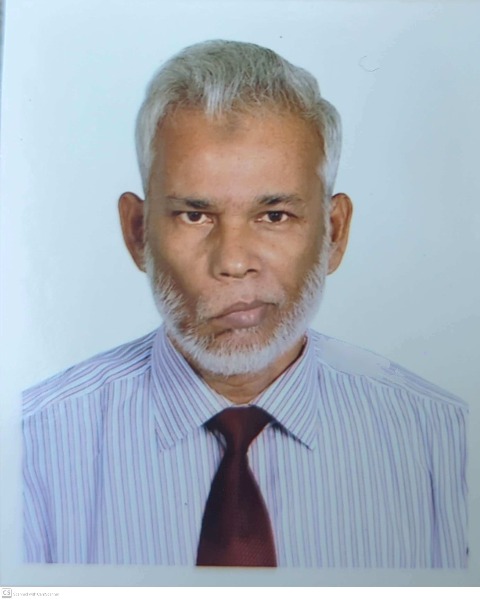
Taslim Uddin, MD
Professor
Bangladesh Medical University
Dhaka, Dhaka, Bangladesh
.jpg "Fatema Newaz, N/A, MD photo")
Fatema Newaz, N/A, MD
Assistant Professor
Kumudini Women's Medical College and Hospital
Dhaka, Dhaka, Bangladesh
Nabila Najam Soomro, Sr., MD
Executive Director
Sindh Institute of Physical Medicine and Rehabilitation
Karachi, Sindh, Pakistan
Raju Dhakal, N/A, MD
Medical director
SIRC lalitpur, Nepal
Lalitpur, Dhawalagiri, Nepal
To describe the initiation, progression, and current status of PMR in Bangladesh; analyze key challenges and emerging opportunities; and compare Bangladesh’s PMR workforce, training capacity, and system development with India, Pakistan, Sri Lanka, Nepal, Bhutan, Maldives, and Afghanistan.
Design:
A narrative synthesis based on national data, professional documentation, and a comparative regional table detailing year of initiation, workforce estimates, training pathways, and system-readiness indicators aligned with WHO frameworks.
Results:
Bangladesh currently has an estimated 350 physiatrists, multiple PMR training pathways (MD and FCPS), and expanding institutional coverage. Compared with neighboring countries, Bangladesh ranks mid-range in specialist numbers—higher than Maldives, Bhutan, Nepal, Afghanistan, and Myanmar, but lower in training capacity relative to India. Regionally, all countries demonstrate limited specialist density, uneven geographic distribution, and varying dependence on NGO-based services.
Conclusions:
Bangladesh is positioned for accelerated growth but requires strategic reforms aligned with WHO Rehabilitation 2030 and WHO 2023 recommendations.